
Hualong District, Puyang City, Henan Province, China
+8618864448123
angel@dingshengchemical.com
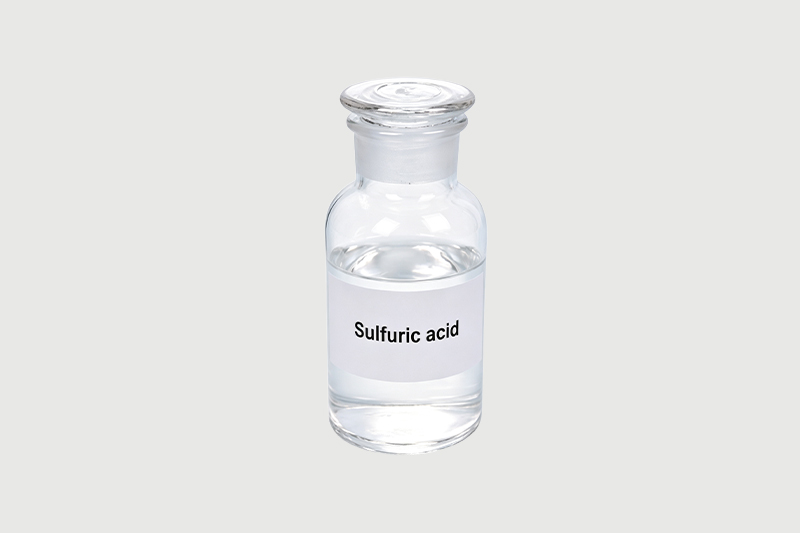
Sulfuric acid, common aliases: oil of vitriol, battery acid, etc. Sulfuric acid, CAS No.: 7664-93-9, molecular formula H₂SO₄. "Standard sulfuric acid solution" refers to an aqueous sulfuric acid solution with known accurate concentration, which is widely used in titration experiments for chemical analysis.
1. Strong Acidity (diprotic strong acid): It is completely ionized in water in two steps. It reacts with alkalis and basic oxides to produce salts and water; reacts with active metals (dilute sulfuric acid produces hydrogen, while concentrated sulfuric acid produces sulfur dioxide under heating). It is more acidic than hydrochloric acid and nitric acid, and can be used to prepare volatile acids.
2. Water Absorption (both physical and chemical property): It strongly absorbs free water or water of crystallization, serving as an excellent liquid desiccant (commonly used to dry non-alkaline gases). Note: It releases intense heat when dissolved in water; acid must be poured into water during dilution.
3. Dehydration (chemical property): It extracts hydrogen and oxygen from organic compounds at a hydrogen-to-oxygen atomic ratio of 2:1 to cause carbonization (e.g., blackening sucrose and paper). Skin contact will cause severe chemical burns due to dehydration.
4. Strong Oxidizing Property (core property): Concentrated sulfuric acid (especially when heated) is a strong oxidizing agent, and the reduction product is usually SO₂. It can oxidize inactive metals (such as Cu) and non-metals (such as C). Note: It can passivate iron and aluminum at room temperature (forming a dense oxide film), so concentrated sulfuric acid can be transported in iron drums.
Incompatible Substances: Keep away from water, active metals, strong alkalis, reducing substances, organic materials, cyanides and sulfides.
I. Backbone of Agriculture: Fertilizer Production (accounts for approximately 70%)
This is by far the largest consumption segment of sulfuric acid, leveraging its acidity and sulfur supply:
Wet-process phosphoric acid: This is its primary application. Sulfuric acid decomposes phosphate rock (calcium fluorophosphate) to produce phosphoric acid and by-product phosphogypsum. Phosphoric acid is then neutralized with ammonia to manufacture ammonium phosphate compound fertilizers such as monoammonium phosphate.
Ammonium sulfate production: Sulfuric acid neutralizes synthetic ammonia to directly yield ammonium sulfate, which supplies both nitrogen and sulfur nutrients.
Potassium sulfate production: Metathesis reaction between sulfuric acid and potassium chloride produces chlorine-free potash fertilizer suitable for chlorine-sensitive crops.
II. Basic Chemicals and Petroleum Industry (approx. 15%)
Its dehydration and sulfonation properties are mainly utilized here:
Petroleum refining (alkylation): In refineries, concentrated sulfuric acid acts as a catalyst to promote the reaction between isobutane and olefins for producing high-octane alkylate gasoline components.
Organic synthesis (sulfonation reaction): Reacts with benzene to produce benzenesulfonic acid, the foundation for manufacturing detergents (sodium dodecylbenzenesulfonate), dyes and pharmaceuticals such as sulfa drugs.
Titanium dioxide production (sulfate process): Sulfuric acid decomposes ilmenite, followed by hydrolysis to obtain titanium dioxide (high-grade white pigment), a core filler for coatings and paper.
III. Metallurgy and Metal Processing (approx. 10%)
This application combines acidity and oxidizing properties:
Hydrometallurgy (leaching): Dilute sulfuric acid is used to leach low-grade copper ore, uranium ore and rare metals such as nickel and cobalt, converting solid metals into soluble sulfates for electrolytic purification.
Steel pickling: Dilute sulfuric acid removes scale (Fe₃O₄) on hot-rolled steel surfaces to expose a smooth substrate and prevent subsequent rusting. Waste acid can be recovered to produce water purifying agents (ferrous sulfate).
Surface treatment (anodizing): Sulfuric acid serves as electrolyte for anodizing on aluminum alloy surfaces to form a dense protective alumina film.
IV. Energy and Energy Storage (Special Application)
Often overlooked yet with stable consumption:
Lead-acid batteries: Dilute sulfuric acid at 30–40% concentration acts as electrolyte for automotive batteries. Sulfuric acid is consumed to produce lead sulfate and water during discharge; the reverse reaction occurs during charging to restore acid concentration. Note: Only pure water can be refilled for low electrolyte levels in batteries. Never add dilute sulfuric acid, as excessive concentration will damage electrode plates.
V. Environmental Protection and Wastewater Treatment (Promising Field)
Alkali liquor neutralization: Treat alkaline wastewater from textile printing and chemical fiber industries to adjust pH to neutral.
Flocculant preparation: Sulfuric acid dissolves bauxite or ferrous sulfate by-product from titanium dioxide production to make polymeric aluminum/ferric sulfate for coagulation and turbidity removal in drinking water and sewage treatment.
VI. Laboratory and Fine Synthesis
General desiccant: Uses water absorption to dry non-alkaline gases (such as H₂, O₂, Cl₂), but cannot be used for NH₃ or HI.
Medium for organic nitration / esterification: In the synthesis of TNT, nitrocellulose or nitroglycerin, concentrated sulfuric acid works both as catalyst and dehydrating agent to absorb water generated during the reaction and drive the reaction forward.
Preparation of volatile acids: Taking advantage of its high boiling point (non-volatile), it can be heated with sodium chloride to produce HCl gas, or reacted with sodium nitrate to produce HNO₃.
Material selection (most critical): Concentrated sulfuric acid (≥92%) can be stored in ordinary carbon steel tanks at ambient temperature due to the dense passive film formed on the surface. Dilute sulfuric acid (≤70%) must be stored in FRP, PVC/PE plastic or lead-lined equipment. Iron containers are strictly prohibited (violent reaction will generate hydrogen and cause explosion). Environment and Temperature: The warehouse shall be cool, ventilated and dry, protected from direct sunlight. The freezing point of 98% concentrated sulfuric acid is approx. 10℃. Heat tracing coils shall be equipped in winter to prevent pipeline cracking by freezing, but the heating temperature shall not be excessively high. Segregated Storage: Mixed storage with alkalis (caustic soda), metal powders, calcium carbide, cyanides and flammable materials is absolutely forbidden. Separate compartments are required. Tank Design: Tanks shall be fitted with breather valves and flame arrestors. The filling factor shall not exceed 95% (reserve expansion space). The ground shall be anti-corrosion treated and equipped with bunds (capacity ≥ the volume of the largest single tank). Emergency Preparation: Direct water flushing of the ground in the storage area is prohibited. Dry sand and vermiculite shall be kept on hand to absorb leaked acid. Acid-proof suits and eyewash stations shall be available.
Packaging and Marking: Dedicated acid-resistant containers (tanks or sealed glass/plastic drums) must be adopted. Outer packages shall be labeled with "Corrosive Substance" marks and UN numbers (UN 1830 for concentrated sulfuric acid, UN 2796 for dilute sulfuric acid). Vehicles and Loading: Special hazardous goods transport vehicles are required, with flame arrestors installed on exhaust pipes. Overloading is prohibited during transit. The top filling openings of tank trucks must be sealed, and re-weighing is required after loading to avoid overweight. Routes: Travel along routes and schedules designated by public security authorities. Avoid downtown areas, water sources and schools. Random stops en route are forbidden, and goods shall be guarded during parking. Driving and Escort: Drivers and escorts must hold qualification certificates for dangerous goods transportation and carry the Dangerous Goods Transport Safety Card throughout the trip. Leakage Emergency Response: In case of leakage during transportation, quickly move the vehicle to an open and safe area. Contain and absorb the spill with plenty of sand or lime. Direct water spraying is strictly prohibited to avoid heat-induced splashing and environmental pollution.
Get a customized quote for your specific requirements. Our technical team will respond within 24 hours with pricing, availability, and formulation options.
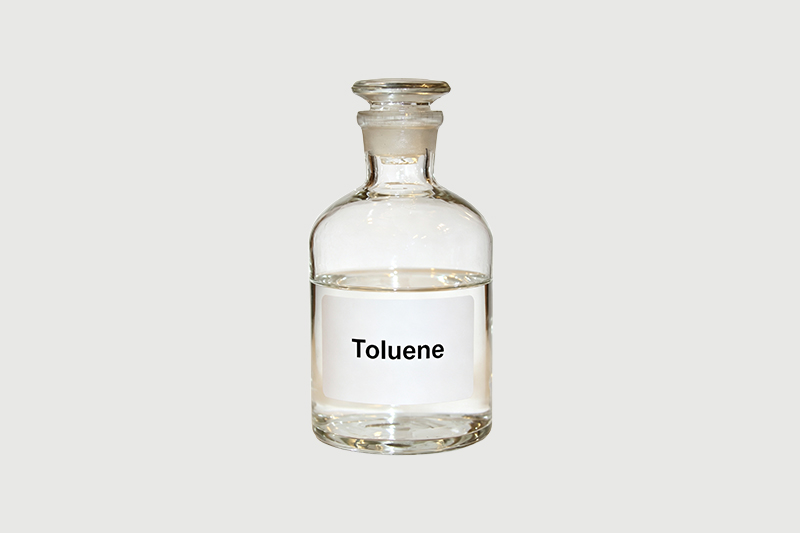
Toluene is a major basic chemical raw material; it is widely used as an industrial solvent and as a chemical intermediate for further processing, and also serves as a blending component for gasoline.
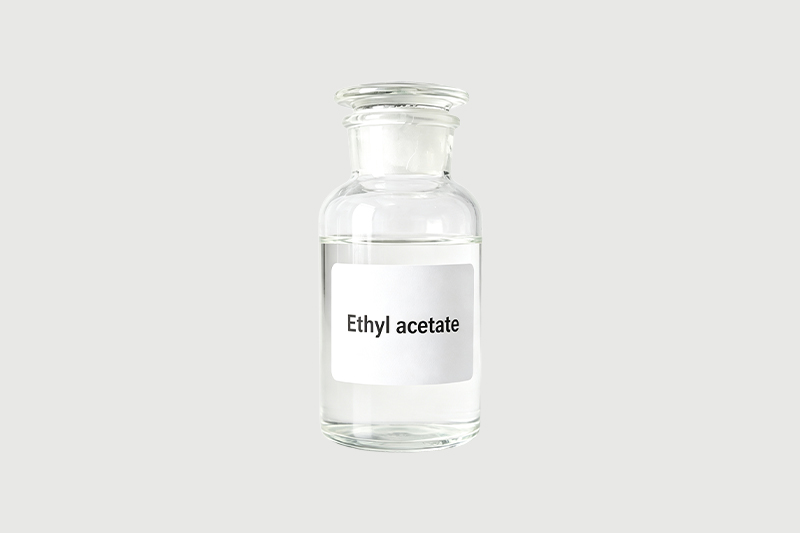
It is an ester organic compound containing the -COOR- functional group (with a double bond between carbon and oxygen), and is a widely used organic compound.
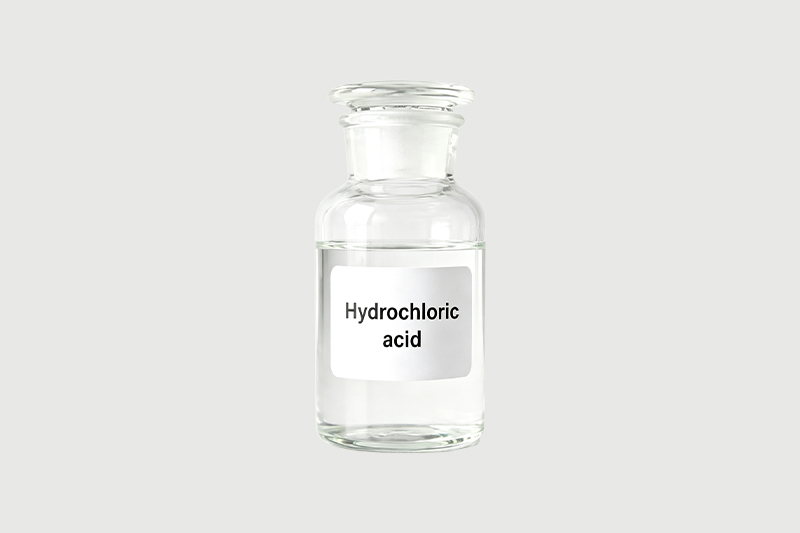
Hydrochloric acid is an aqueous solution of hydrogen chloride. As an important strong inorganic acid, it has a wide range of applications in industry, laboratories and daily life.
It usually refers to a mixture of three isomers: ortho-xylene, meta-xylene and para-xylene (commonly available commercially), and the industrial product is often called mixed xylenes.