
Hualong District, Puyang City, Henan Province, China
+8618864448123
angel@dingshengchemical.com
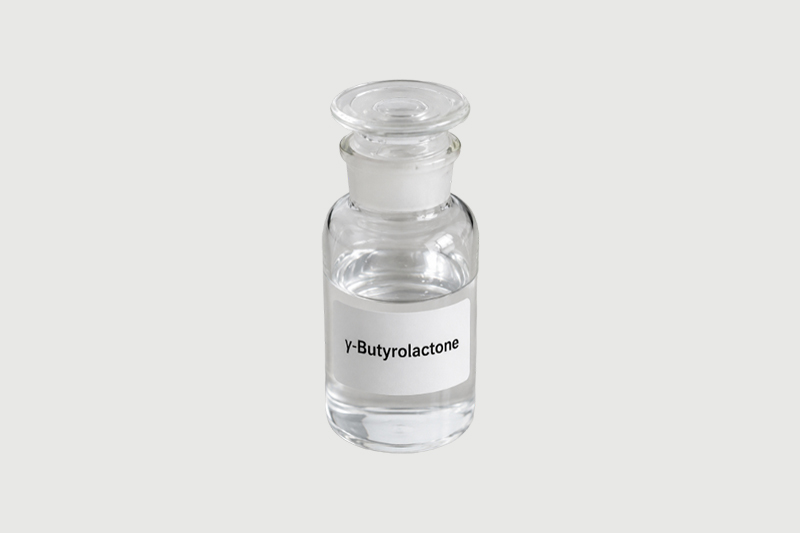
γ-Butyrolactone, with the systematic chemical name oxolan-2-one, CAS No.: 96-48-0 and molecular formula C₄H₆O₂, is an organic chemical substance. It is subject to strict control because it can be converted into gamma-hydroxybutyric acid (GHB) in the human body.
1. Stability: Stable at normal temperature and pressure, but reactions will occur under specific conditions.
Hydrolysis Reaction: Easily hydrolyzed in hot alkali (reversible); it regenerates when pH returns to 7. Hydrolysis proceeds slowly in acidic media.
Thermal Decomposition: Decomposes at high temperatures (approx. 417–560℃), with main products including CO, CO₂ and ethylene. Ring-opening polymerization may also occur under prolonged high-temperature exposure.
2. Reactivity: Its five-membered lactone structure can undergo typical reactions such as ring-opening. The α-hydrogen atoms possess certain reactivity and it can react with inorganic acids/bases, alcohols, amines, etc.
3. Acidity, Alkalinity and Combustion & Explosion Properties: The pH value of 10% aqueous solution is about 4.5, slightly acidic. It is combustible, and the combustion products are CO and CO₂.
Incompatible Substances: Contact or co-storage with strong oxidants, strong acids, strong bases and strong reducing agents is strictly prohibited.
γ-Butyrolactone (GBL) plays an important role in many industrial fields such as chemical engineering, pharmaceuticals, electronics and textiles, mainly due to its properties including high boiling point, strong solubility, good reactivity and electrical conductivity.
As a High-performance Solvent
Industrial Cleaning and Removal: It serves as an effective component in paint removers and paint stripping solutions, and is also used in circuit board cleaners, rust removers and detergents.
Resins and Polymers: Used as a solvent for photosensitive resins, special inks, polyamides and polyimide resins.
Chemical Fiber Industry: Applied as spinning solvent for polyacrylonitrile fibers, as well as dyeing auxiliary for wool, nylon and other fibers.
Petrochemical Industry: Used as an extractant or absorbent for extracting butadiene, aromatic hydrocarbons and high-grade lubricating grease.
Electronics and Electrical Industry: A common electrolyte solvent for lithium batteries and capacitors.
Coatings and Inks: Used in coatings, paints and special inks.
Others: Used as casting binders, solvent for plastics such as PVC, as well as for surface treatment and photographic dispersants.
As Organic Synthetic Intermediate
Synthesis of Pyrrolidone Series: This is the main downstream application of GBL. It can be used to synthesize 2-pyrrolidone, N-methylpyrrolidone (NMP), N-vinylpyrrolidone (NVP) and polyvinylpyrrolidone (PVP). PVP is widely used in cosmetics, pharmaceutical, food industries and so on.
Pharmaceutical Field: For the synthesis of piracetam, vitamin B1, antibiotics such as ciprofloxacin, and drugs such as brivaracetam.
Pesticide Field: Used to synthesize insecticides, herbicides and plant growth regulators, such as glufosinate and chlorophenoxybutyric acid herbicides.
Other Chemicals: Used for the synthesis of methionine, butyric acid, succinic acid, homoserine, etc.
Other Applications
Flavors: Used as edible flavors or fragrances.
Food and Feed: Used as food additives, feed additives, and clarifying and purifying agents for beer and wine.
1.Warehouse and Environment: Store in a cool and well-ventilated warehouse, avoid direct sunlight. The recommended ideal temperature is below 15℃. 2.Containers and Sealing: Ordinary steel tanks, stainless steel or nickel containers are recommended; 200KG galvanized iron drums, IBC totes or ISO TANK containers are widely used in industry. Containers must be tightly sealed to prevent moisture absorption. 3.Segregated Storage: Keep separately from acids, alkalis, alcohols, amines and oxidants. Co-storage with edible chemicals is strictly prohibited. 4.Safety Facilities: The warehouse shall be equipped with fire-fighting equipment and emergency spill response devices. No drainpipes or sewers shall be present in the storage area, and locked storage is recommended.
1.Loading and Unloading Operations: Handle with care during transportation to prevent package damage and leakage. 2.Fire and Moisture Prevention: Protect from sun and rain during transit, keep away from fire sources, heat sources and high-temperature zones.
Get a customized quote for your specific requirements. Our technical team will respond within 24 hours with pricing, availability, and formulation options.
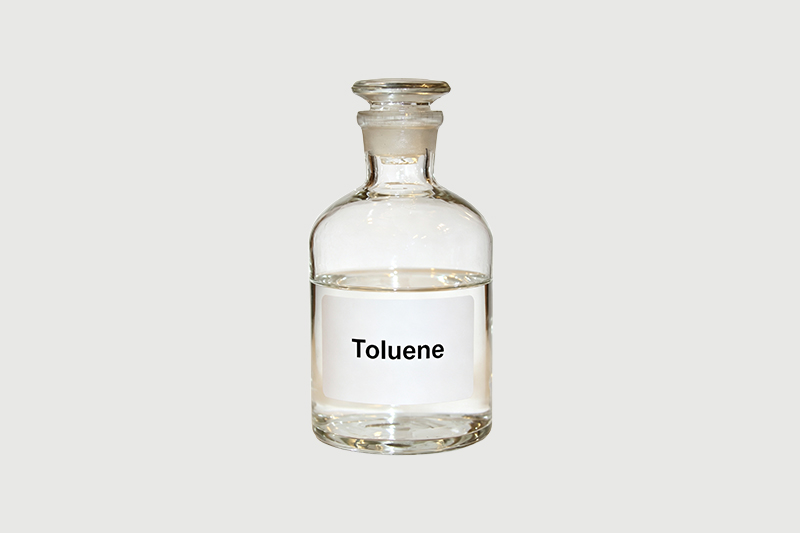
Toluene is a major basic chemical raw material; it is widely used as an industrial solvent and as a chemical intermediate for further processing, and also serves as a blending component for gasoline.
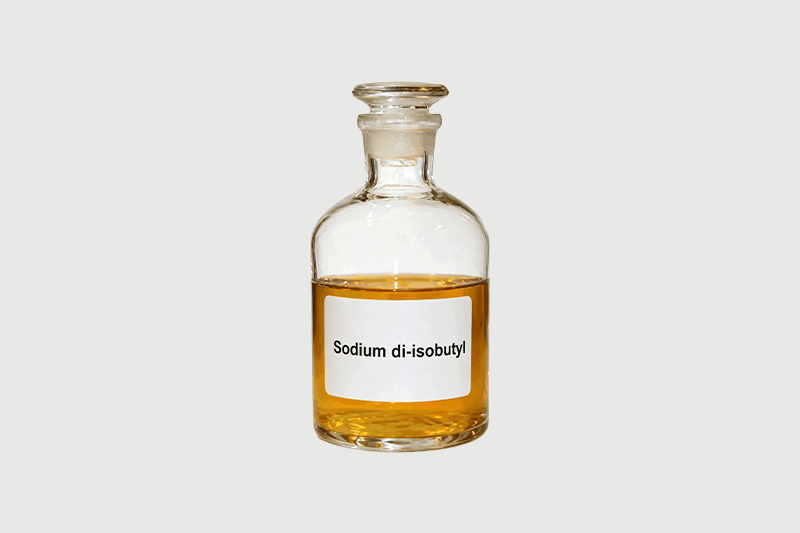
Sodium isobutyl dithiophosphate is a highly efficient collector widely used in the flotation of non-ferrous and precious metal sulfide ores.
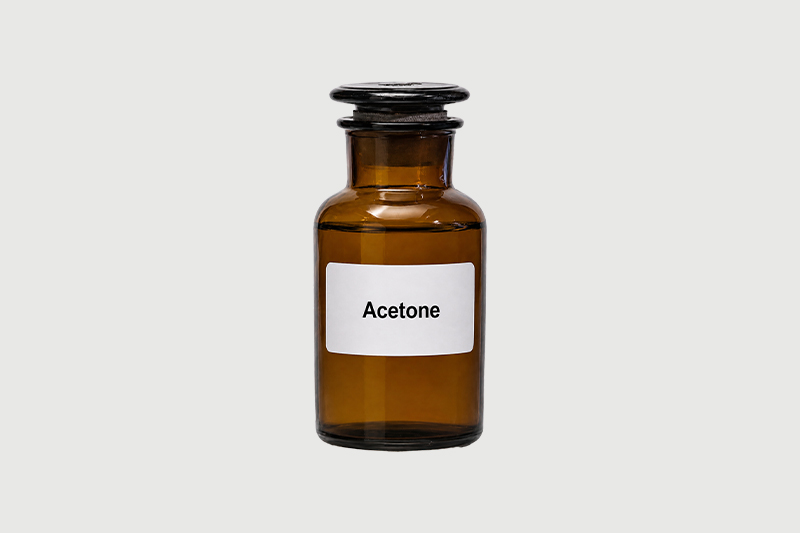
It is a simple saturated aliphatic ketone and a bulk basic organic chemical raw material worldwide.
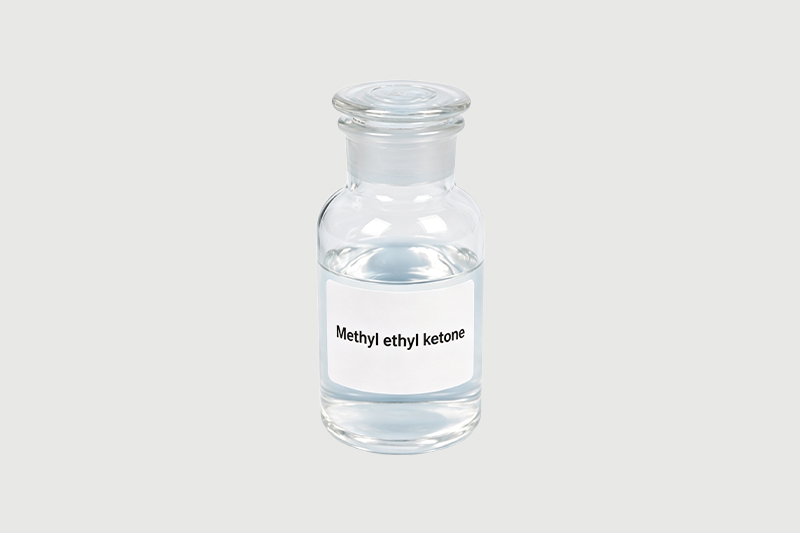
It is a polar organic solvent of the ketone family, serving as a highly important industrial polar solvent and also used as an intermediate in organic synthesis.